
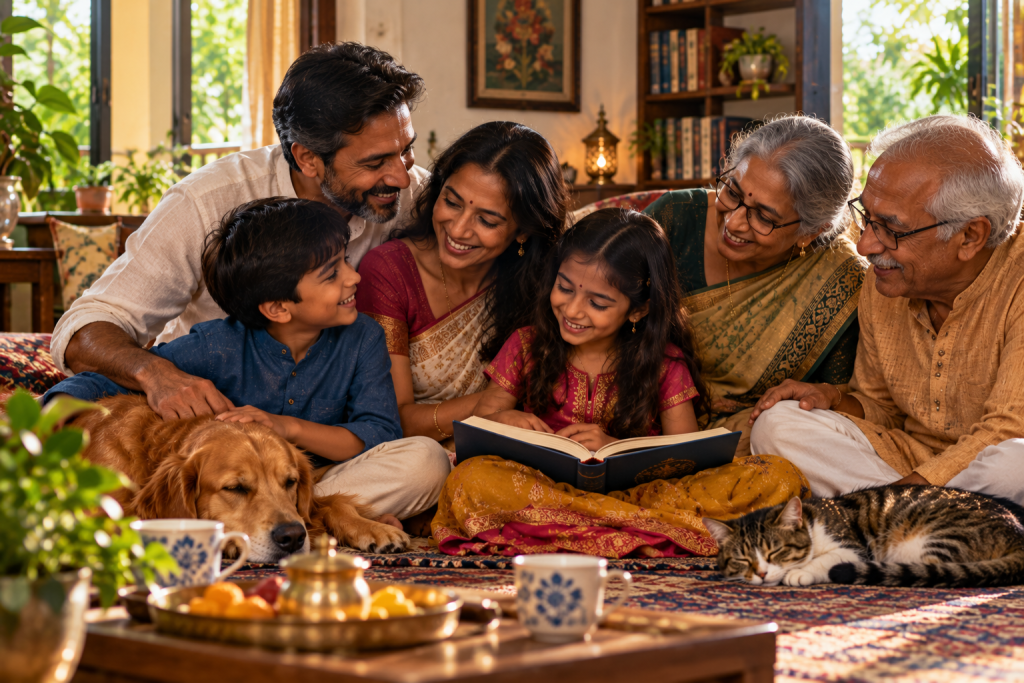
 A happy family is something most of us desire, but happiness in the home does not happen on its own. It takes love, patience, understanding, and a willingness to care for one another, especially when life becomes difficult. As Manichaeans, we recognize that our families are an important part of our spiritual lives. The way we treat those closest to us says a great deal about how faithfully we are living according to the teachings of the Blessed Prophet Mar Mani.
Every family experiences both good times and difficult times. There are days filled with laughter and companionship, and there are days when disagreements, financial worries, illness, or other troubles place a strain on relationships. We should not expect our homes to be free from every difficulty. What matters is how we respond to those difficulties and whether we allow them to bring us closer together or drive us apart.
One of the most important things we can do for our families is to practice the virtues of our Faith in everyday life. It is easy to speak about compassion, kindness, patience, and forgiveness, but these qualities become especially meaningful when we practice them at home. We may be courteous and understanding toward strangers while sometimes forgetting to show the same consideration to our own family members. Yet those who share our daily lives deserve our kindness just as much as anyone else.
We should also remember that every member of the family is an individual with feelings, concerns, and needs that deserve to be respected. Parents have responsibilities toward their children, but children also need to feel that they are heard and understood. Husbands and wives should treat one another with affection and consideration, and elderly family members should never be made to feel that they are a burden. A loving home is one where everyone knows they are valued, even when they make mistakes or experience difficulties.
Good communication is another important part of family happiness. Sometimes a disagreement becomes much worse simply because people are unwilling to listen to one another. We may be quick to defend ourselves or assume that we already understand what someone else is thinking. Taking a little time to listen, speaking calmly, and being willing to admit when we are wrong can prevent a great deal of unnecessary hurt. There is nothing shameful about apologizing to someone we love. In fact, a sincere apology can be one of the most meaningful expressions of humility and affection.
The teachings of Mar Mani encourage us to recognize the struggle between Light and Darkness, and this is something we should remember in our family relationships. Anger, selfishness, dishonesty, and cruelty can cause considerable harm within a home. On the other hand, kindness, honesty, generosity, and forgiveness help create an atmosphere of peace. Each day presents opportunities to choose how we will treat one another. Even small acts of consideration can make a difference.
We should also make time to enjoy being together. Family life should not consist entirely of responsibilities, household chores, and worries about tomorrow. Sharing a meal, taking a walk, enjoying a conversation, or simply spending a quiet evening together can strengthen our relationships. Children especially benefit from knowing that their parents and other family members genuinely enjoy their company. These ordinary moments often become some of our most treasured memories.
For Manichaean families, prayer and spiritual study can also have an important place in the home. Reading from the Holy Gospel, discussing the teachings of Mar Mani, and participating in our daily prayers can help family members grow together in their Faith. Parents and grandparents have a special opportunity to teach children through their own example. A child who regularly witnesses kindness, honesty, generosity, and sincere devotion learns that religion is not simply something we discuss or practice at appointed times. It is something that influences the way we live.
At the same time, we should be careful not to make religious observance a source of unnecessary tension within the family. Faith should be taught with patience, love, and understanding. Children naturally ask questions, and their questions deserve thoughtful answers. Family members may also differ in their level of religious understanding or commitment. We should encourage one another without harshness or constant criticism. A peaceful example often accomplishes more than repeated arguments.
Forgiveness is especially important because no family is perfect. We all say things we later regret, lose our patience, or fail to show the consideration we should. When these things happen, we need to be willing to acknowledge our mistakes and make an effort to correct them. Forgiveness does not mean pretending that hurtful behavior never occurred or allowing mistreatment to continue. It means being willing to seek healing and reconciliation when there is genuine repentance and a commitment to change. Healthy boundaries and personal safety must also be respected.
We should remember those whose family circumstances are difficult. Some people live alone, have lost loved ones, or are separated from their relatives. Others may have experienced rejection, neglect, or painful relationships. Not everyone has the blessing of a close and supportive family. As members of the Manichaean Spiritual Community, we should be especially mindful of these brothers and sisters. Our concern for one another should extend beyond our own households. A visit, a telephone call, an invitation to share a meal, or a simple expression of friendship can mean a great deal to someone who feels forgotten.
Happiness in the family is not measured by wealth, possessions, or the appearance of a perfect household. A family may have very little materially and still enjoy a home filled with affection and mutual respect. Another family may possess every comfort yet struggle with unhappiness because its members have grown distant from one another. What makes a home a good place to live is not how much we own, but how we treat the people who share our lives.
Let us make a sincere effort to bring the virtues of our Faith into our homes. Let us be more patient with one another, more willing to listen, and more generous with our time and affection. Let us remember that our families need our encouragement as much as they need our guidance. We should never become so occupied with the concerns of the outside world that we neglect the people who depend upon our love and care.
May Alaha bless our families and help us to build homes where kindness is practiced, differences are handled with understanding, and everyone is treated with dignity. May the teachings of the Blessed Prophet Mar Mani guide our words and actions, not only during prayer and worship, but throughout our ordinary daily lives.
Above all, let us remember that a happy family is not one that never experiences problems. It is one in which love, patience, and mutual respect help its members face life’s difficulties together.